

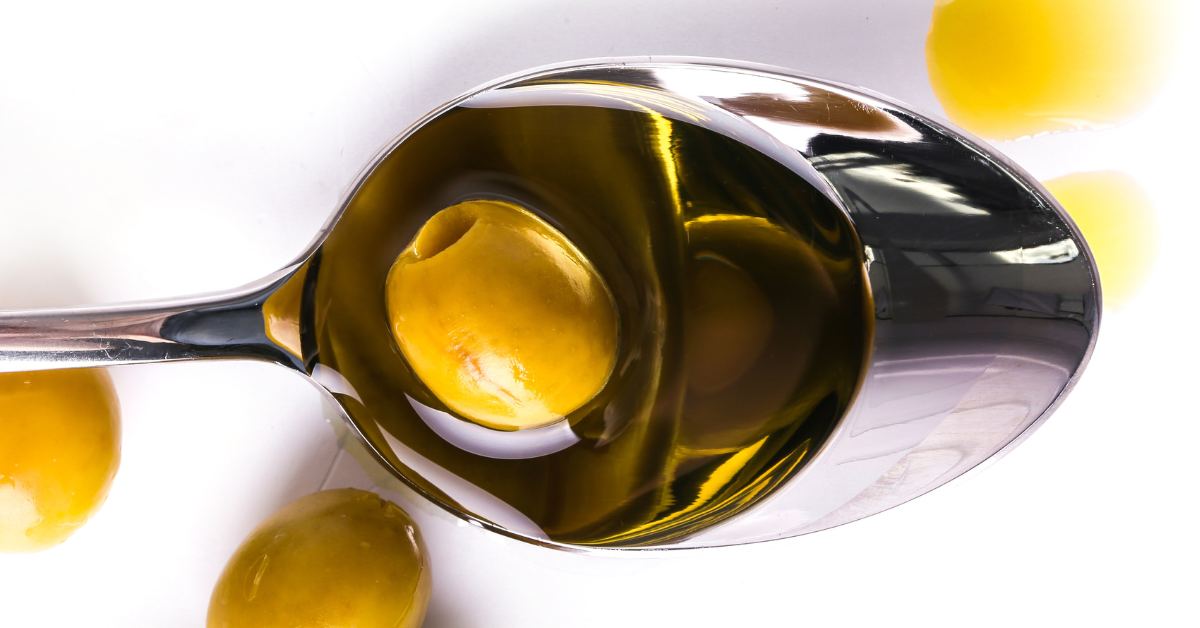
The Digital Innovation Against Olive Oil Fraud
Extra virgin olive oil is a prime target for food fraudsters. Thanks to an innovative digital method, however, this will not last long. A new EU-funded research and innovation project - S3FOOD, will use DNA analysis and blockchain technology to generate a fraud-resistant genetic barcode to be applied to every bottle of olive oil.
The new project offers benefits both for consumers, who will be able to verify the authenticity of the product they have bought without any hassle, and for producers, whose output will not be undercut by cheaper imitations.
The digital model will also help improve sustainability in olive growing. Once authentic extra virgin olive oil receives the recognition it deserves, producers will have an even greater incentive to protect the biodiversity of the different olive tree varieties.
The project is staffed by highly qualified IT and biotechnology specialists from the two companies BioCoS and InTTrust.
“The high risk of fraud in olive oil production, is largely due to the fact that various companies are used in the distribution of the oil, which makes tracking and quality control extremely difficult. In addition, the economic consequences are staggering: a recent study found that the value of premium olive oil can be reduced by 50% through fraud.”
- Stelios Archondakis, CEO of BioCoS
Fraud in the EVOO industry takes many forms. In 2019, Europol seized 150 tons of sunflower oil that was labeled as olive oil. Another case involved 47 traders selling olive oil with a false “Protected Geographical Location (PGI)” label.
DNA Tracking: From the Field to the Bottle
BioCoS’s solution is to create DNA profiles of the specific olive varieties used in olive oil production. A smart platform will generate these profiles to validate the authenticity of the oil. This information, along with other quality characteristics (the location of the olive grove, the quantity of olive oil produced), will be integrated into a blockchain system and made available to consumers through a QR code printed on the bottle.
“Blockchain technology is already widely used in the olive growing sector to track every batch number from producer to consumer. The drawback of this method is that it guarantees only the traceability of the bottle, not its contents. DNA-blockchain technology will now make it possible to trace the contents of the oil and detect any kind of blending of olive oil with other varieties or with other vegetable oils. So, for example, if you add 3-5% olive oil of a Greek variety to an Italian product, it can be traced through DNA analysis. This provides full transparency,” says Archondakis.
Besides the obvious benefits for food safety and protecting brand image, the DNA data could be used to create a geogenetic map of the olive farms producing olive oil. Archondakis believes that this innovation could become a key resource for improving sustainability in olive growing and for fighting climate change.
The S3FOOD project involves over 75 small and medium-sized companies and is focused on the digital modernization of the entire European food industry. Similar innovations are already found in cheese production and in the distribution of canned tuna.