

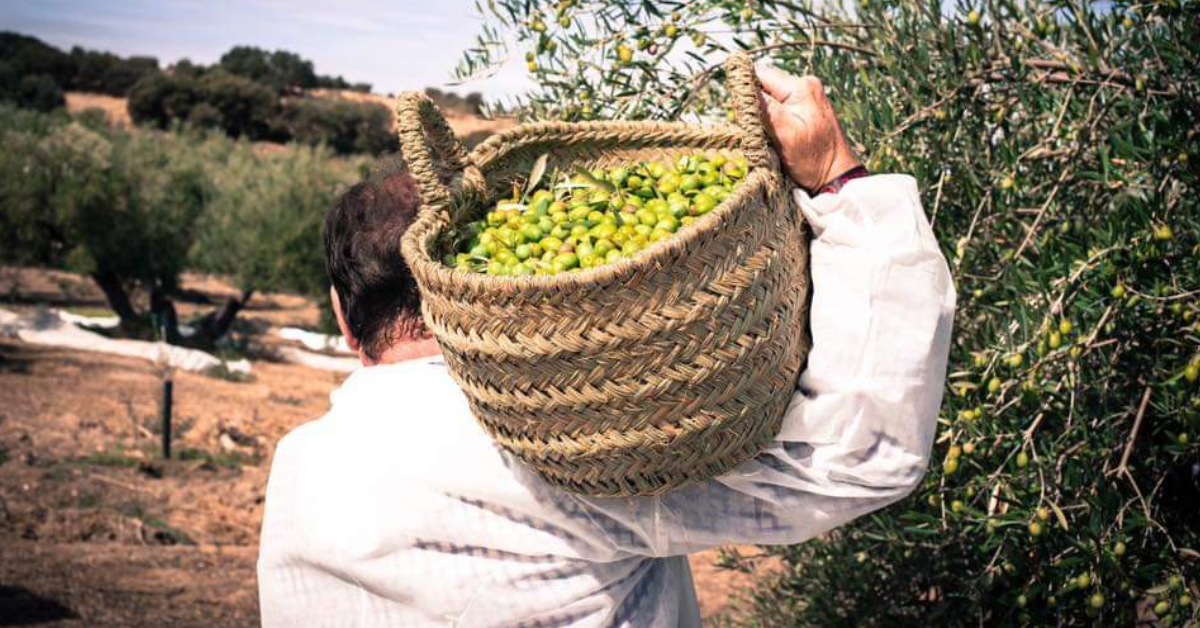
The extra virgin olive oil becomes the true liquid gold
translation from English of the article by Kostas Liris
At the end of the 2021-2022 campaign, when we first received data on production volumes, we realized that something was wrong. The year 21-22 turned out to be difficult not only for Spain but also for other olive-producing countries such as Italy, Greece and Tunisia. But for Spain, as the main producer, it was especially hard. The lack of rain in winter and spring 2021, together with unfavorable weather conditions during the flowering in April and May, led to the first bad production year in a long time. This was the first signal that something was wrong and that production would be relatively small. In fact, this was confirmed a few months later. In addition, the technical shortage in the sunflower and rapeseed oil market, caused by the war in Ukraine, further complicated the situation.
The low production in 21-22 began to reveal the potential for an escalation of olive oil prices after the harvest, as we realized that Spain’s production would be extremely low. Prices began to rise by a few cents a day, but steadily.
The lack of olive oil stocks in Spain, the generally low production and the general increase in the prices of all commodities continued to put pressure on the market. The prices of basic raw materials such as fertilizers, insecticides and gas had already risen by 30-40% since 2020-2021, affecting production costs. The final blow came from the adverse weather conditions and lack of water during the spring flowering of 2021 – a year the producers will remember.
Usually, every September Spain’s large production creates a significant stock of olive oil, and this works as a “cushion” for prices when a natural shortage of the product occurs during the month while we wait for the new production. This year, however, we will not see this effect - a fact that was already known in March 2022. In addition, rainfall last winter was extremely low in Spain, Italy, Greece and Tunisia, at least until May, which will affect next year. The outlook is gloomy, with very little olive oil in stock, poor expected production for 2023-2024 and a basic production price of 9 euros per liter, recently introduced in some parts of Greece. These factors indicate what we can expect from the upcoming production.
The overall condition of the olive trees is poor, especially in drier areas. Olive oil stocks are expected to be completely depleted, and prices for next year are forecast to remain high. This means that even if production next year, 2024-2025, is significantly larger, we will enter the market in 2025 with little or no stock, and prices will likely remain high.
No one believes that this situation will return to normal soon. Over the past 2-3 years the prices of all commodities have risen by 30% or more in some cases, and the same was expected for olive oil. However, the weather conditions, the lack of water and the global economic situation dealt the final blow. While we hope for a better year ahead, in view of climate change and the general economic situation, I remain skeptical that we will soon see prices recover to normal levels.