

2022: The Year Extra Virgin Olive Oil Flew into Space
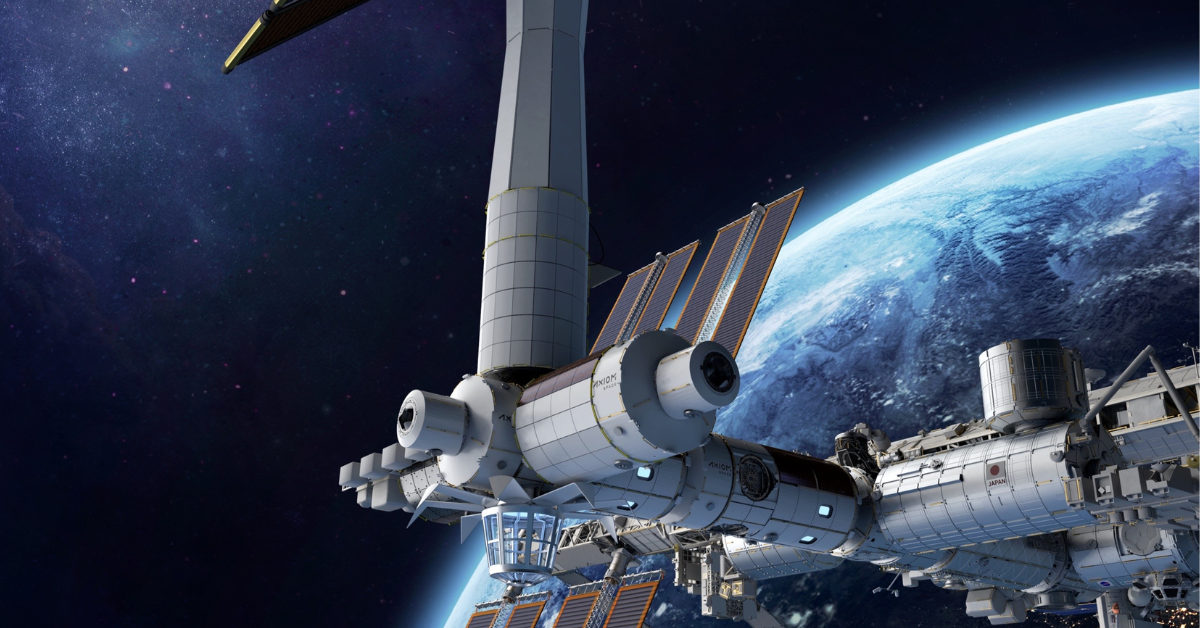
This year, extra virgin olive oil literally reached new heights. 4 varieties of Italian olive oil were sent to the International Space Station (ISS), located about 400 kilometers above the Earth’s surface, under the guidance of the astronaut from the European Space Agency (ESA), Samantha Cristoforetti.
This is her second “Minerva” mission, which ended successfully, and the whole crew returned to Earth in October. While in orbit, Cristoforetti conducted numerous experiments covering various sectors of medicine and nutrition, among them the “EVOO” project - focused on balanced nutrition. The research includes the impact of space environment conditions on the physicochemical, nutritional and microbiological characteristics of extra virgin olive oil, with a special focus on its reactions to microgravity and radiation.
Besides serving as an experiment, olive oils also provide variety in the astronauts' diet. All crew members can choose among 4 varieties of high-quality olive oil: Carolea, Itrana, Moraiolo and Coratina, whose sensory profiles and food pairing suggestions are given on the labels.
The “EVOO” project is the result of a collaboration between the Italian Space Agency, the Council for Agricultural Research and Economics (CREA), and the Coldiretti and Unaprol associations, which selected the high-quality extra virgin olive oils from different regions.
“Proper nutrition of astronauts is a very important health matter on board the ISS,” write Coldiretti in a press release. “The extra virgin olive oils that we selected with Unaprol for the project have a high content of natural antioxidants - essential for people, such as astronauts, who are under intense psychological and physical stress.”
Nicola Di Noia, general director of Unaprol, says that monovarietal virgin olive oils were preferred over blends in order to bring out the individual organoleptic characteristics of different olive varieties, all of which are characterized by a “very high natural antioxidant profile”.
The Italian Council for Agricultural Research and Analysis of Agricultural Economics (CREA) shares that the study uses the same food containers used for all other food on the ISS, because this will make it possible to identify changes occurring under normal operating conditions.
The idea of the experiment is to let researchers understand how the content and profile of olive oil may change in space. Back on Earth, an international scientific team will examine the chemical profiles of each virgin olive oil to identify possible changes that occurred in space, and some samples will be returned later, after staying on the ISS for 6, 12 or 18 months.
Is it possible for olive oil to retain its qualities in space?
There is still no scientific evidence. According to some experts, the high dose of radiation (both cosmic and solar) in space could alter some elements of the oil. Separately, weightlessness, or so-called microgravity, may also cause the oils to aggregate.
We are all eagerly waiting to learn what the results of this experiment will be, and we hope that extra virgin olive oil will take its rightful place on board spacecraft.