
New Study: A Healthy Diet Reduces the Risk of Premature Birth by 50%
A new study by the American Health Institute proves that women who follow a healthy diet, such as the Mediterranean diet, throughout pregnancy are 50% less likely to have a premature birth as a result.
Nearly 1900 women were included in the study. They were asked to fill in questionnaires about their diet at 8-13 weeks of pregnancy and to describe what they had consumed over the previous three months. Their answers were scored on three components of healthy eating: the Alternative Healthy Eating Index (AHEI), the Alternative Mediterranean Diet (AMED) and the Dietary Approaches to Stop Hypertension (DASH) diet. All three criteria emphasize the consumption of fruits, vegetables, whole grains, nuts and legumes while limiting red and processed meat. The results show that women with a high score on the Alternative Mediterranean Diet (AMED) or the DASH diet at 24 and 29 weeks of pregnancy have a 50% lower risk of premature birth. And women with a high Alternative Healthy Eating Index (AHEI) score have a 32% lower risk of gestational diabetes at 16 and 22 gestational weeks.
Based on these findings, the researchers conclude that healthier dietary patterns during the periconception period and pregnancy, characterized by higher AHEI, AMED or DASH scores, are associated with a lower risk of common pregnancy complications, including gestational diabetes and hypertension, preeclampsia and premature birth.
An article by Daily Mail mentions an earlier study that complements the results of the research mentioned above. In it, scientists warn that mothers who have an unhealthy diet during pregnancy may put their children at risk of weight gain and obesity. A group of doctors from Brigham and Women's Hospital in Boston investigated the links between the diet of the expectant mother and the growth rates of her children between birth and adolescence. As expected, the doctors found that the children of women who ate an unhealthy menu (processed foods rich in sugars, artificial trans fats and a high amount of sodium) during their pregnancy are more likely to gain more weight between the ages of three and ten.
Why is nutrition important for fertility?
According to Olive Wellness Institute, nutrition can affect egg quality, sperm quality, the hormonal balance that influences a normal menstrual cycle, and fetal growth and development. Countless studies support the benefits of maintaining a healthy diet during pregnancy, but did you know that a huge number of studies show that it is precisely the Mediterranean diet that can help with fertility and conception?
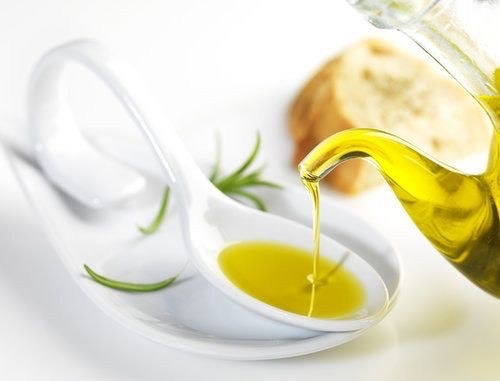
In fact, the Mediterranean diet – with its emphasis on vegetables, grains, fish and healthy fats such as extra virgin olive oil – can help at all stages of reproductive health, from conception to pregnancy and beyond.
“Proper nutrition is vital for improving a woman's chances of conceiving. From the very first consultations with expectant mothers we emphasize the diet: which foods they can consume and the benefits of the Mediterranean diet. Unfortunately, there are all kinds of myths about healthy regimens, such as the pineapple diet or the chocolate diet, which abuse the trust of our patients and sometimes make our work even harder.”
- Dr. Petra Makedonova, Adella Clinic
There are 5 key characteristics that make extra virgin olive oil ally #1 in a healthy lifestyle:
- Low in saturated fats, which can cause inflammation.
- Rich in antioxidants, which can protect eggs from morphological and structural .
- High in vitamin E - a fat-soluble vitamin, proven to be good for the development of the uterine lining.
- Abundant in good monounsaturated fats, which have been found to reduce inflammation.
- Abundant in omega-3 fatty acids, which increase blood flow to our uterus and improve reproductive hormones.
Which is the best olive oil to choose during pregnancy?
Not all olive oils are the same! There are different grades of olive oil, and the related standards are defined by the Olive Wellness Institute.
Extra virgin olive oil is the best choice. For an olive oil to qualify as extra virgin, it must have a low acidity of under 0,8% and no flavor defects.
If you are wondering where to find high-quality extra virgin olive oil, we invite you to visit our online selection of products from the world-famous brands Ariston and Nobleza del Sur.