

Artichoke and Olive Oil: The Mediterranean Diet
From the author’s series “Artichoke and Olive Oil” by Anna Petkova
Source: https://www.bacchus.bg/
Summer is a time for colorful plates, an abundance of seasonal vegetables, long evenings and sweet, relaxed conversation. A description that almost perfectly fits the Mediterranean diet, which in essence is not a diet at all, if we go by the dictionary meaning of the word, which denotes a special regime of eating. This is no surprise; all of us have experienced this way of living and eating during holidays and trips to the south. And we know how pleasant and easy it is to live the Mediterranean way, and all year round.
It is interesting to know that since 2010 the Mediterranean diet has been part of UNESCO's Intangible Cultural Heritage. This is because it defines itself as a way and philosophy of living, not just of eating. Seven countries are at the core of this initiative: Croatia, Cyprus, Greece, Italy, Morocco, Spain and Portugal. And from "the diet of the poor" in the 1960s and 1970s, it has turned into a real jewel for modern people.
When I think about food, about the time I spent with my grandparents in the 1980s and 1990s, I realize that
our Bulgarian traditional cuisine has a lot in common
with the Mediterranean diet: -
local products, fresh, simple and varied food, following the rhythm of the seasons. Everything is natural. There are no fresh tomatoes in winter, but pickles and root vegetables. There is an abundance of vegetables, fruits, honey and nuts, legumes and whole grains, herbs, spices and greens, moderate amounts of dairy, eggs, fish, white and red meat, and plenty of herbal teas. And care with wine and rakia (in its various incarnations), but not always. There are moments that deserve to forget about moderation (moderation and variety are among the philosophical points of this "diet"). Olive oil is the main fat and a source of polyunsaturated fats, so beneficial for the body and the cardiovascular system. Saturated fats are perfectly balanced, while hydrogenated and trans fats are practically absent.
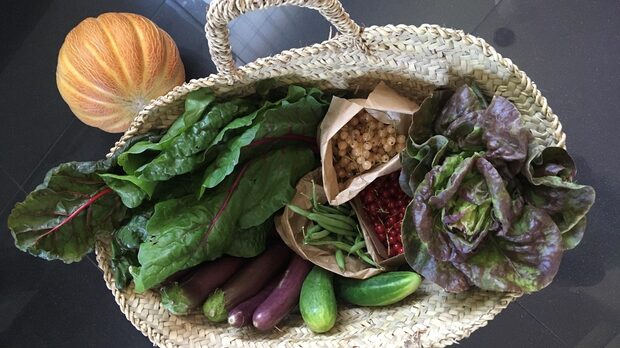
Not long ago I was thinking that with such a way of eating - varied, seasonal and simple - there is no way the body can be burdened or digestion not work well. The glycemic index is lower, we take in more slow carbohydrates and fiber, and it is no coincidence that the risk of type 2 diabetes and overweight is lower. Another matter, however, is that global trends of eating "on the go" with packaged foods and plenty of refined fats are a fact in these countries too, especially among the younger generation (Italy and Greece are in the top 5 for overweight and obesity among adolescents). The good news is that more young people are returning to the essence of food, the kind "from grandma and grandpa" - eating in smaller quantities, because it is more concentrated and fuller in flavors, aromas and nutritional value.
I adore the Mediterranean diet because it is simple and at the same time interesting. It leaves room for imagination and a creative approach in the kitchen, and I am happy to know young chefs in Greece and Italy who make modern signature cuisine, relying precisely on the traditions of their land. Everyone can spread their wings; I myself rely a lot on flavor-intriguing food at home.
In peach season, here is one of my favorite summer recipes for you:
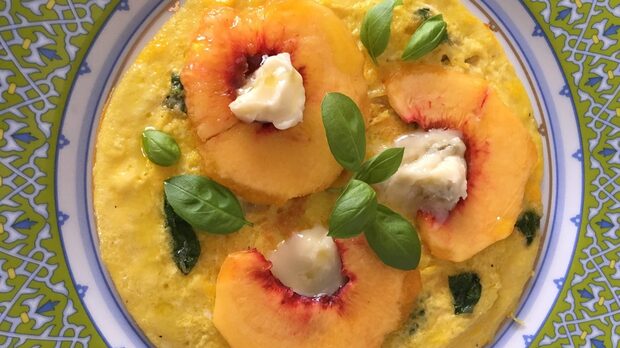
Peach and Cheese Omelet (for 1 omelet)
Ingredients:
2 eggs
1 tbsp water
50 g white brined cheese (sheep or cow, more matured) or a soft and spicier cheese (e.g. Gorgonzola dolce, which is my favorite for this combination)
A pinch of freshly ground white pepper, to taste
10 medium fresh basil leaves
½ peeled peach
1 tbsp plain extra virgin olive oil for the pan
1 tbsp more expressive extra virgin olive oil for serving.
Add salt, taking into account the saltiness of the cheese.
Directions:
1. Beat the eggs with the tablespoon of water and the pepper, add 5-6 basil leaves and ½ of the cheese, crumbled.
2. Heat the tablespoon of olive oil in a pan, add the egg mixture and fry over medium heat until golden on both sides.
3. Place the omelet on a plate and arrange the peach slices, the cheese and the remaining basil leaves.
Pairing and finishing:
To finish, add 1 tbsp of a distinctive extra virgin olive oil with fresher green notes and expressive pungency for a bright touch on the dish. Suitable options are: early-harvest Picual from Jaén, or Greek early harvests from Halkidiki or the Peloponnese.
We at Elly's Supreme Taste suggest you try the extra virgin olive oil Centenarium by Nobleza del Sur.