

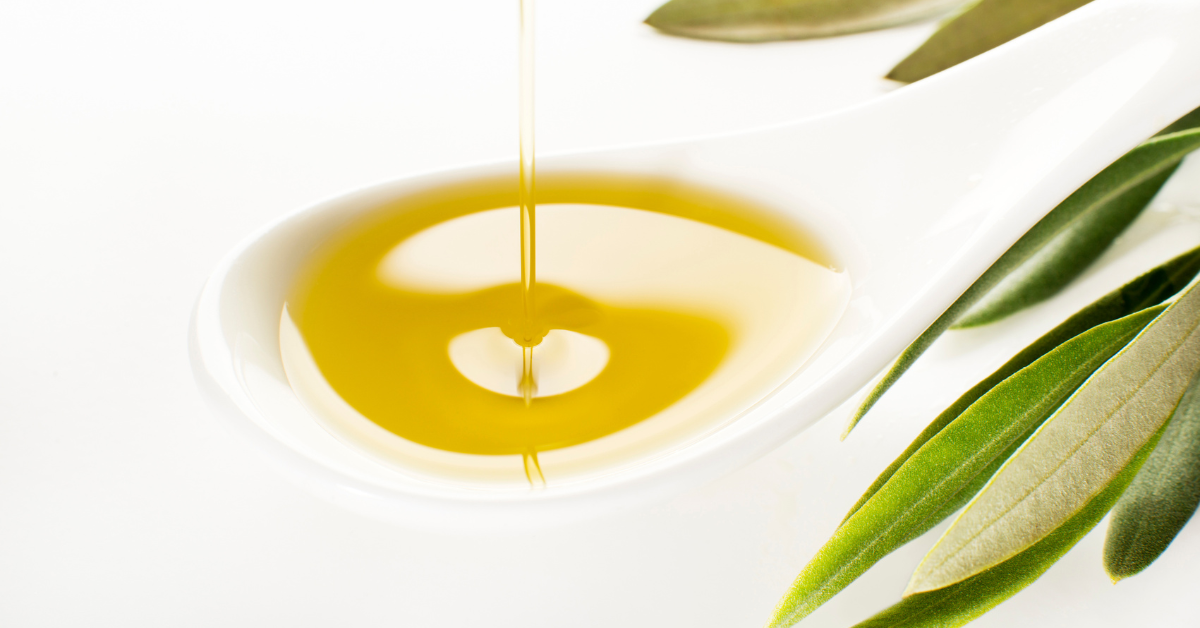
How to Avoid Overeating During the Holidays... with a Little Olive Oil?
The most wonderful time of the year is coming, when we will see our loved ones, immerse ourselves in the aroma of our favorite dishes and homemade sweets. And if for some people this is a long-awaited vacation, for others the holidays are usually linked with worries about their figure, which can easily spoil the comfort of home.
There are countless articles on the internet with tips and tricks on how to stick to our diet and not overdo it with food at the family table. We decided to share with you the secret ingredient that is scientifically proven to help control appetite and support weight loss – namely, His Majesty, olive oil!
What does overeating lead to?
Overeating can cause short-term heartburn that passes, but over time it can lead to unhealthy weight gain and obesity - the American Heart Association identifies overeating as a major risk factor for heart attack and heart disease. One study examined hospitalizations during the holiday season. It found that a large share of the admitted patients had some form of heart disease, in which overeating was cited as a key factor.
According to Dr. Amnon Beniaminovitz, a cardiologist at a hospital in Manhattan, New York, overeating puts stress on the body. He points out that, as with running fast or other intense cardio, overeating creates extra work for the heart.
Sonia Tolani, MD, assistant professor of medicine at Columbia University Medical Center in New York and part of the Columbia Women's Heart Center, adds that in the long term overeating leads to excess weight, which in turn can lead to the onset of type 2 diabetes.
“Diabetes is one of the most significant risk factors for developing heart disease, tripling the risk of heart disease in women and doubling the risk in men.”
– Dr. Sonia Tolani
Along with diabetes and heart disease, the Centers for Disease Control and Prevention (CDC) note that excess weight increases the risk of conditions and diseases such as stroke, osteoarthritis, depression and anxiety.
How can we avoid it?
For many years, the food industry spread the belief that reduced-fat products help control appetite. To this day, a large group of people choose “light” products in an attempt to lose weight, or at least in the hope of not gaining any. But whether these products are effective or not is still in question. Although they contain fewer calories, many of them are not filling, which in turn leads to the need for additional food, and then people tend to compensate by eating more, most often simple carbohydrates such as pastries or pasta.
One study proves that “natural” oils and fats actually regulate the feeling of fullness after a meal, with olive oil leading the way. So what makes this oil so effective?
Research groups at Technische Universität München (TUM) led by Prof. Peter Schieberle, and at the University of Vienna led by Prof. Veronika Somoza, studied 4 different dietary fats: lard, fat, rapeseed oil and olive oil. For 3 months, the study participants ate 500 grams of low-fat yogurt enriched with one of the four fats every day, as a supplement to their normal diet.
“Olive oil had the greatest satiating effect”, reports Prof. Schieberle, head of the Department of Food Chemistry at TUM and director of the German Research Center for Food Chemistry. “The olive oil group showed a higher concentration of the satiety hormone serotonin in their blood. Subjectively, these participants also reported that they found the yogurt with olive oil very filling.“
During the study, not a single member of this group registered an increase in their body fat percentage or weight.
The secret is in the aroma
“The results surprised us”, admits Prof. Schieberle, “because rapeseed oil and olive oil contain similar fatty acids.” The researchers decided to turn their attention to the aroma compounds in olive oil. In the second part of the study, the control group was given plain yogurt, and the other group - yogurt with aroma extracts from olive oil. The results are convincing: calorie intake in the olive oil group remained the same, but the control group consumed an additional 176 kcal per day. Prof. Schieberle explains: “The group that consumed the yogurt with aroma extracts from olive oil adapted its eating habits, which the control group failed to do. We also found that blood tests of the people in the control group showed less serotonin.”
How long the feeling of fullness lasts after a meal depends on a number of factors, but blood sugar level plays a key role. The faster it drops, i.e. the faster the somatic cells absorb glucose from the blood, the sooner a person will start feeling hungry again. In the next part of their study, the researchers focused on which of the aroma substances present in the oil are most effective at inhibiting glucose absorption.
The scientists used olive oil from Spain, Greece, Italy and Australia for their research. The results identified 2 substances that reduce the absorption of glucose from the blood into liver cells: hexanal and E2-hexenal. They also found that the largest amounts of these compounds are contained in Italian olive oil.
“Our findings show that aroma is capable of regulating satiety,” concludes Schieberle. “We hope that this work will pave the way for the development of more effective reduced-fat food products that are nevertheless filling.”
New studies reveal how some fatty foods help regulate appetite. A documented study in the journal Cell Metabolismexplains how unsaturated fats, such as those in olive oil, avocado and nuts, stimulate the production of a molecule that suppresses hunger pangs. The findings could lead to the development of new drugs for treating obesity and other eating disorders.
How can we include olive oil in our menu?
You can start by taking 1 teaspoon of pure olive oil every morning on an empty stomach. Although this is the easiest and purest option, many people cannot accept this idea. That is why we have prepared several recipes with extra virgin olive oil to add variety to your Christmas table.
- Tuscan-Style Roasted Potatoes
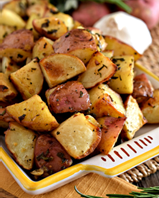
Ingredients
- 2 kg new red potatoes, unpeeled and cut into pieces
- ¼ cup pure extra virgin olive oil plus 2 tbsp for greasing the pan (optionally, you can use Tuscan herbs infused olive oil from Ariston)
- 1/3 cup white wine
- 2 tbsp garlic powder
- 1 tsp salt
- ¼ tsp freshly ground black pepper
- 1 tbsp fresh sage
- 1 tbsp chopped fresh rosemary
- Salt to taste
Directions:
Preheat the oven to 180 degrees.
Cut the potatoes and place them in a large enough mixing bowl. Add the olive oil, wine, garlic, salt, black pepper, sage and rosemary. Stir all the ingredients to coat the potatoes.
Pour into a baking dish and place in the oven. The potatoes should be close together but not touching. Roast for about 25 minutes and take out of the oven. Using a spatula, turn the potatoes over and put them back. Cook for another 20-25 minutes or until the potatoes are crispy. If you like, you can add more of the spices for flavor.
- Roasted Cauliflower in Olive Oil
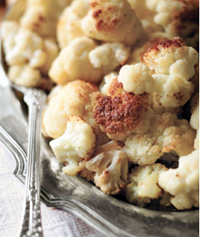
Ingredients:
- 2 heads of cauliflower
- 1/4 tbsp extra virgin olive oil
- 2 cloves of garlic
- salt
- freshly ground pepper
Directions:
Preheat the oven to 180 degrees. Place the cauliflower, olive oil and garlic in a large bowl. Season with salt and black pepper and stir once more.
Transfer the cauliflower to a large baking tray and roast until golden brown, 25 to 35 minutes, stirring halfway through.
- Orange Cake with Olive Oil
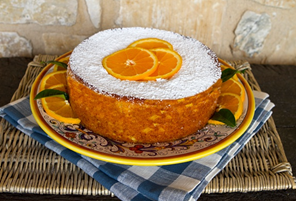
Ingredients:
- 2 small oranges, seeded beforehand
- 1/3 cup orange infused olive oil
- 2 cups flour
- 1 1/2 teaspoons baking powder
- 1/2 teaspoon baking soda
- a pinch of salt
- 4 large eggs
- 1 1/2 cups sugar (you can use brown or granulated cane sugar for a healthier option)
- powdered sugar for garnish
Directions:
Preheat the oven to 150 degrees and lightly grease the pan in which you will bake the cake.
Prepare the oranges by cutting a small slice off the thicker top and bottom of each, and then cut the remaining part (flesh and peel) into pieces.
Place them in a food processor and puree until you get a mixture with a light texture. Add the olive oil to the oranges and blend until smooth.
In a separate bowl, beat the eggs until light and fluffy, and then slowly add the sugar.
Mix the flour, baking powder, baking soda and salt together in a large bowl.
Gradually add to the flour, first the egg mixture and then the orange mixture, alternating them and stirring until smooth. (Be careful not to overmix, which will deflate the eggs and make the cake too dense.)
Pour the batter into the prepared pan and bake for 50 - 60 minutes. Once the cake is ready, let it cool. Garnish with powdered sugar and a piece of orange, if you like.