
Umami in the “Koriya” Forest
Source: https://www.ochilatitedegustatori.com/
The Mystery of the Fifth Taste
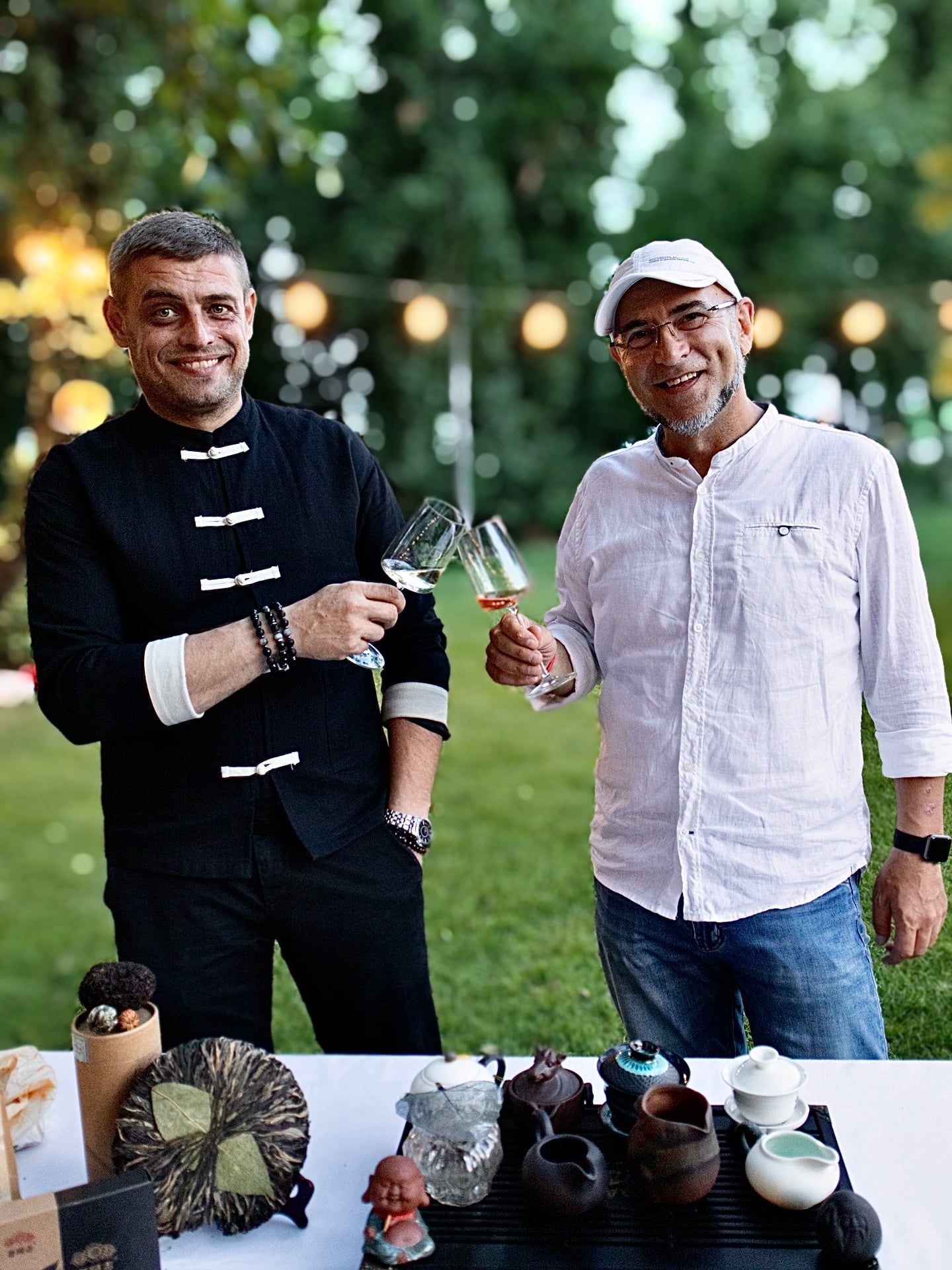
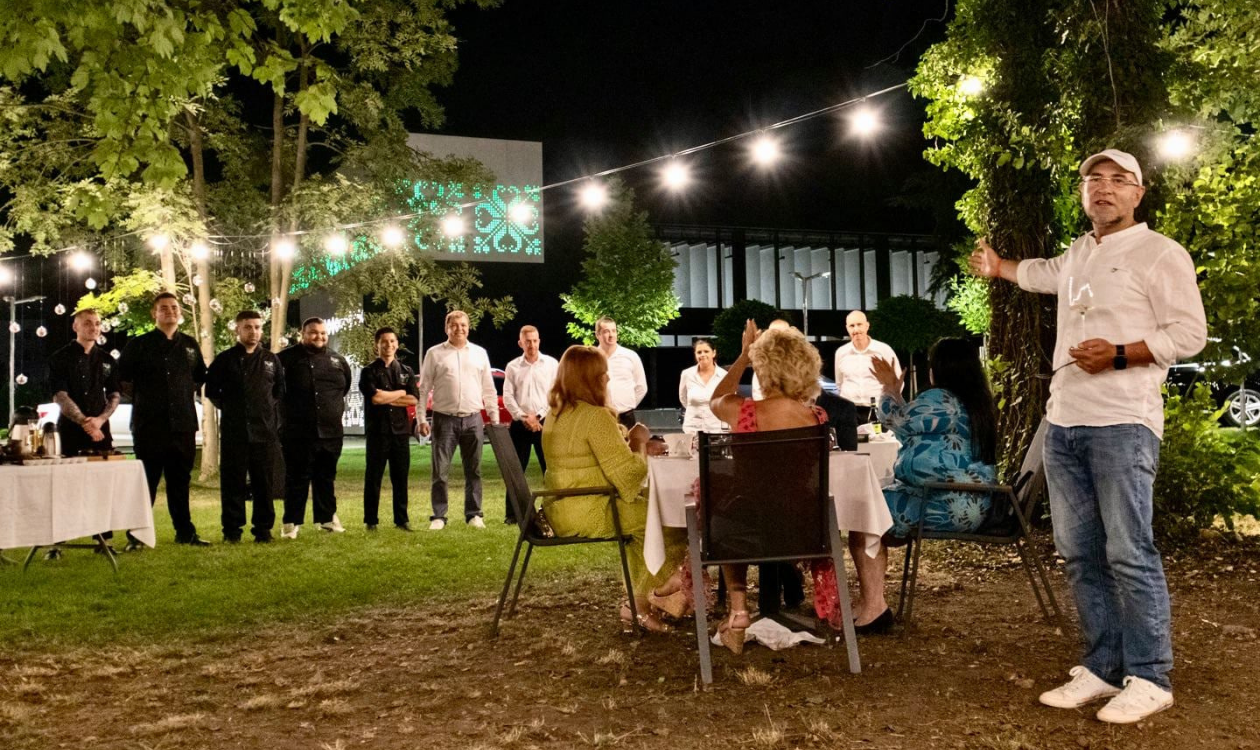
The culinary theater “Umami in the Forest” stirred the 5 senses and the 5 tastes of the foodie guests of the event. We juggled umami and the other 4 tastes with the charming dishes of Toli Damyanov, the wonderful wine pairings of Elena Neykova, the spices of Gourmet your plate, the Andalusian olive oils from Elly’s Supreme Taste, new to Bulgaria, and the pu-erh teas presented by Maxim Krapivchenko.
In Europe umami was recognized only in 1985, along with the fact that we have special receptors on the tongue that distinguish this taste. Scientists believe that the evolutionary advantage of humans having separate receptors for umami is that it is an indication that the food contains protein. The foods with the most pronounced umami taste are foods in which the proteins have been broken down into easily absorbed amino acids through fermentation, aging or heat treatment - all processes that lead to pre-digestion of the food and make it easier to absorb.
There are five basic tastes - sweet, sour, salty, bitter and umami, for which there are separate taste receptors in the mucous membrane of the oral cavity, the esophagus or the tongue. So says Wikipedia.
The Magic of Tasting
Since umami is a relatively unfamiliar term, let me try to explain what umami is. Most food bloggers will use terms such as “savory, meat, broth” and so on. None of them seems to me to capture the essence of umami.
Try to explain what “sweet” is to a person with no sense of taste and you will see the problem.
Explaining a taste is like explaining a color. How do you describe yellow, for example? Most of us would use an analogy. We would say it is the color of the egg yolk, of the sunflower and of the sun itself. So umami, at least for me, is the taste of dried black mushrooms, soy sauce, chicken consommé and Parmesan. It is a taste found in tomatoes, although it is most concentrated in tomato ketchup.
Conquistador Olive Oil from a Spanish Olive Grove Worth Millions
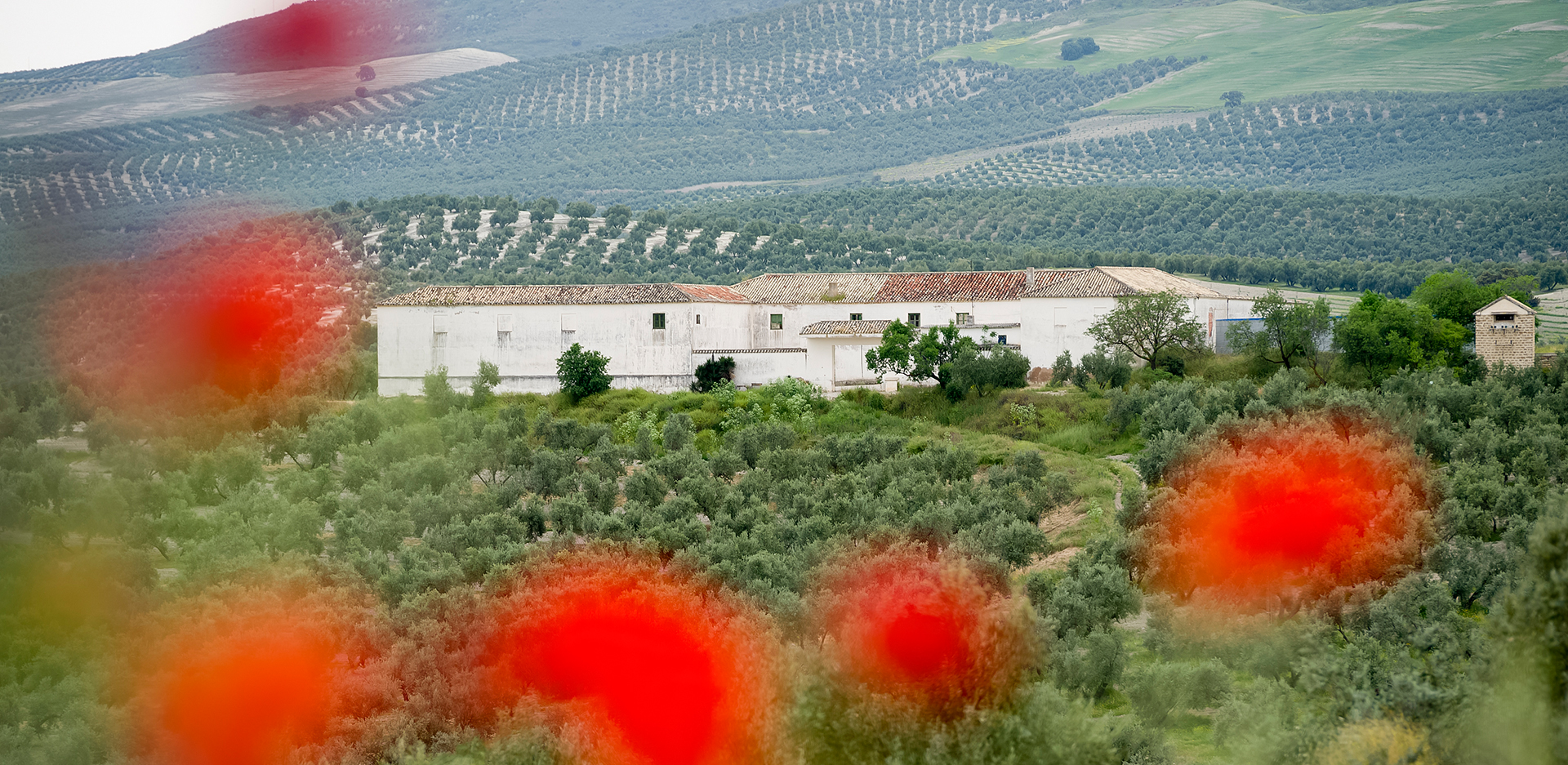
We adorned the umami fiesta with 3 remarkable extra virgin olive oils, selected to complement 3 of the evening's dishes. We chose Nobleza del Sur from Elly’s Supreme Taste for its exceptional flavor-balancing qualities and the fact that this particular series is new to Bulgaria. If you wonder why it is called 1640 Tradición - it is named after the year.
In 1640 Miguel Sánchez Sagra began the family olive tradition by acquiring an olive plantation in Los Añadios, Jaén (Andalusia). 12 generations later, the Peñuelas-Sagra family continues to work and care for the same olive grove. United and consistent, they also built their own mill for producing quality cold-pressed oil, worthy of the uniquely high quality of the produce.
We were a li-ttle envious of those who tasted it for the first time. The varieties we tasted were Arbequina and Picual, and the third was an organic blend that went perfectly with the umami soup before dessert. All in all... delicious!!!
The “Umami in the Forest” Menu
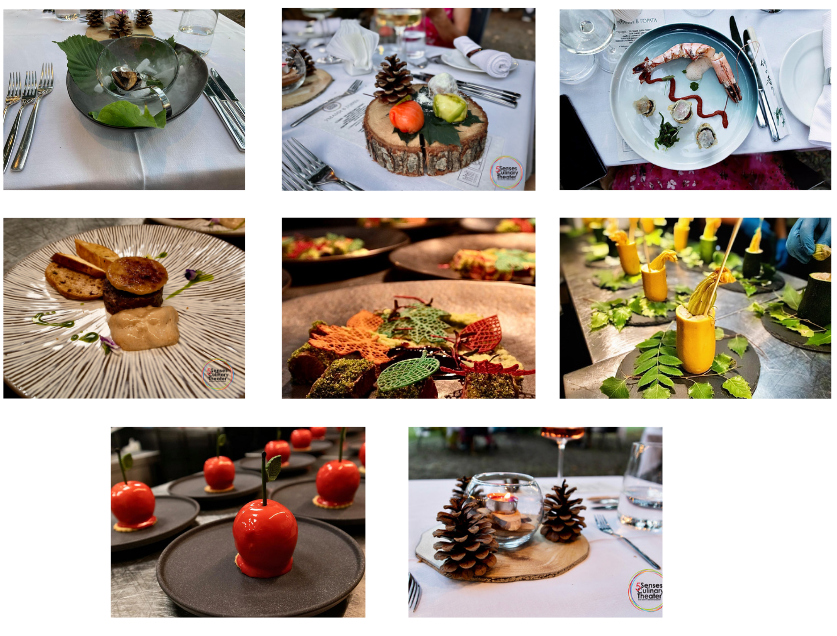
We began with a pure umami taste as a point of reference and continued with 5 elegantly balanced pairings with great finesse in proportions and textures. Top-class presentations! We marked the umami taste with a cooked dark mushroom, veiled in forest mist for a more mysterious feel.
- Salad - three umami spheres (“candies”)
- Tabbouleh wrapped in avocado
- Köpoolu in a buffalo cheese crust
- Caesar salad wrapped in a slice of smoked salmon
Served with olive oil Extra Virgin Nobleza del Sur Tradición 1640 Arbequina, November harvest
Velodoro Pecorino Terre di Chieti IGT, Umani Ronchi, Abruzzo, Italy - King prawn in nori
with sun-dried tomato lutenitsa, retro mustard, caviar, goma wakame, Asian vinaigrette and Saint-Jacques scallop chips
Cuvée Barcelona Cava Rosé Brut, Codorníu, Catalonia, Spain - Beef Tartare from “Black Angus” tenderloin
with caramelized foie gras and cocoa-coffee mousse, served with olive oil Extra Virgin Nobleza del Sur Tradición 1640 Picual, November harvest and three kinds of handmade bread
Malisse Cuvée Rosé Côtes de Provence, Domaine de Cartayron, France - New Zealand Roast Lamb
Lamb tenderloin seared with an herb crust, parsnip puree with arugula pesto, beetroot and red wine sauce, and Parmesan chips shaped like forest leaves
Castiglioni Chianti DOCG, Frescobaldi, Tuscany, Italy - Intermezzo
- umami soup of organic zucchini with forest mushrooms, seasoned with olive oil Extra Virgin Nobleza del Sur Tradición 1640 Organic, November harvest - Dessert
- a large decorative cherry (with cherry mousse and a chocolate stem)
Tea Bar Show with 4 Kinds of Umami Tea
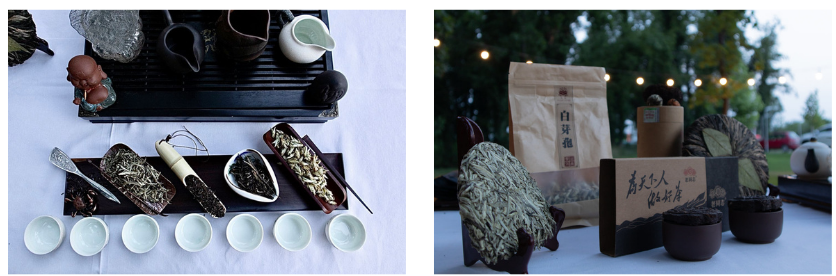
The teas come from China's Yunnan province. They are collectively called Pu-erh. The raw material for them is picked from old, wild tea trees. The show will be hosted by the tea magician Maxim Krapivchenko. In the program we have included:
- Ya Bao - white tea from winter buds of wild tea trees
- Yue Guang Bai - white tea from spring buds of wild tea trees
- Sheng Pu-erh - green tea from leaves and buds of wild tea trees
- Shu Pu-erh - black tea from leaves and buds of wild tea trees, post-fermented with the help of fungal cultures